In-Person event
Optimizing Electric Distribution Planning with SAInt
March 13-14, 2024
In-Person event
Optimizing Electric Distribution Planning with SAInt
March 13-14, 2024
In-Person event
Optimizing Electric Distribution Planning with SAInt
March 13-14, 2024
Summary
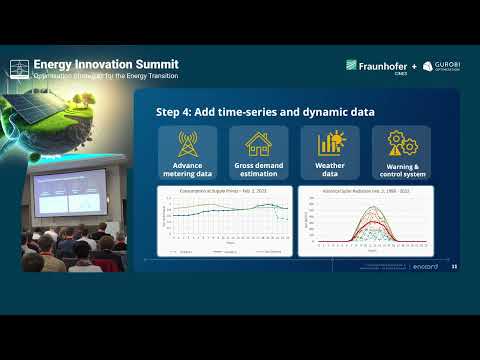
Andres Peluso's and Joel Jose's presentation on solving the electrification problem examines the complexities of transitioning energy consumption from gas to electricity, particularly in residential sectors. The shift towards electrification, driven by trends like heat pump adoption, requires utilities to rethink planning processes traditionally hindered by siloed approaches and inadequate optimization.
To gain deeper insights and access exclusive content, we encourage you to fill out the form and unlock more valuable information.
Challenge
The electrification of end-user sectors poses challenges for utilities in planning and optimizing infrastructure. Siloed processes and disparate software tools inhibit effective communication and integration of data, complicating decision-making amidst evolving technologies and regulatory requirements. Balancing consumer demands while ensuring grid reliability and compliance further complicates utility efforts.
Solution
Peluso proposes an integrated planning approach to address electrification challenges, aiming to enhance communication between utility departments and optimize decision-making processes. Through a unified planning tool, utilities can consolidate data sources, evaluate electrification options' cost-effectiveness, optimize distributed energy resource placement, and conduct scenario analyses to anticipate future demands and constraints.
Results
A real-world pilot project in the northeastern US illustrates the complexities and potential solutions in electrification planning. Converting 400 gas customers to electric alternatives necessitated substantial substation upgrades to manage peak demand. However, exploring non-wire alternatives such as distributed energy resources and battery storage provided cost-efficient solutions to mitigate grid constraints and enhance reliability.
Peluso emphasizes the importance of a systematic and integrated approach to electrification planning, integrating optimization tools with infrastructure considerations. The presentation underscores the pivotal role of innovative planning in navigating energy system transitions, optimizing investments, and ensuring a resilient and sustainable energy future. By leveraging integrated planning platforms, utilities can effectively manage the complexities of electrification and meet evolving energy demands.
Summary
Andres Peluso's and Joel Jose's presentation on solving the electrification problem examines the complexities of transitioning energy consumption from gas to electricity, particularly in residential sectors. The shift towards electrification, driven by trends like heat pump adoption, requires utilities to rethink planning processes traditionally hindered by siloed approaches and inadequate optimization.
To gain deeper insights and access exclusive content, we encourage you to fill out the form and unlock more valuable information.
Challenge
The electrification of end-user sectors poses challenges for utilities in planning and optimizing infrastructure. Siloed processes and disparate software tools inhibit effective communication and integration of data, complicating decision-making amidst evolving technologies and regulatory requirements. Balancing consumer demands while ensuring grid reliability and compliance further complicates utility efforts.
Solution
Peluso proposes an integrated planning approach to address electrification challenges, aiming to enhance communication between utility departments and optimize decision-making processes. Through a unified planning tool, utilities can consolidate data sources, evaluate electrification options' cost-effectiveness, optimize distributed energy resource placement, and conduct scenario analyses to anticipate future demands and constraints.
Results
A real-world pilot project in the northeastern US illustrates the complexities and potential solutions in electrification planning. Converting 400 gas customers to electric alternatives necessitated substantial substation upgrades to manage peak demand. However, exploring non-wire alternatives such as distributed energy resources and battery storage provided cost-efficient solutions to mitigate grid constraints and enhance reliability.
Peluso emphasizes the importance of a systematic and integrated approach to electrification planning, integrating optimization tools with infrastructure considerations. The presentation underscores the pivotal role of innovative planning in navigating energy system transitions, optimizing investments, and ensuring a resilient and sustainable energy future. By leveraging integrated planning platforms, utilities can effectively manage the complexities of electrification and meet evolving energy demands.
Summary
Andres Peluso's and Joel Jose's presentation on solving the electrification problem examines the complexities of transitioning energy consumption from gas to electricity, particularly in residential sectors. The shift towards electrification, driven by trends like heat pump adoption, requires utilities to rethink planning processes traditionally hindered by siloed approaches and inadequate optimization.
To gain deeper insights and access exclusive content, we encourage you to fill out the form and unlock more valuable information.
Challenge
The electrification of end-user sectors poses challenges for utilities in planning and optimizing infrastructure. Siloed processes and disparate software tools inhibit effective communication and integration of data, complicating decision-making amidst evolving technologies and regulatory requirements. Balancing consumer demands while ensuring grid reliability and compliance further complicates utility efforts.
Solution
Peluso proposes an integrated planning approach to address electrification challenges, aiming to enhance communication between utility departments and optimize decision-making processes. Through a unified planning tool, utilities can consolidate data sources, evaluate electrification options' cost-effectiveness, optimize distributed energy resource placement, and conduct scenario analyses to anticipate future demands and constraints.
Results
A real-world pilot project in the northeastern US illustrates the complexities and potential solutions in electrification planning. Converting 400 gas customers to electric alternatives necessitated substantial substation upgrades to manage peak demand. However, exploring non-wire alternatives such as distributed energy resources and battery storage provided cost-efficient solutions to mitigate grid constraints and enhance reliability.
Peluso emphasizes the importance of a systematic and integrated approach to electrification planning, integrating optimization tools with infrastructure considerations. The presentation underscores the pivotal role of innovative planning in navigating energy system transitions, optimizing investments, and ensuring a resilient and sustainable energy future. By leveraging integrated planning platforms, utilities can effectively manage the complexities of electrification and meet evolving energy demands.