

Contributed by Optimal Solutions, A Gurobi Alliance Partner
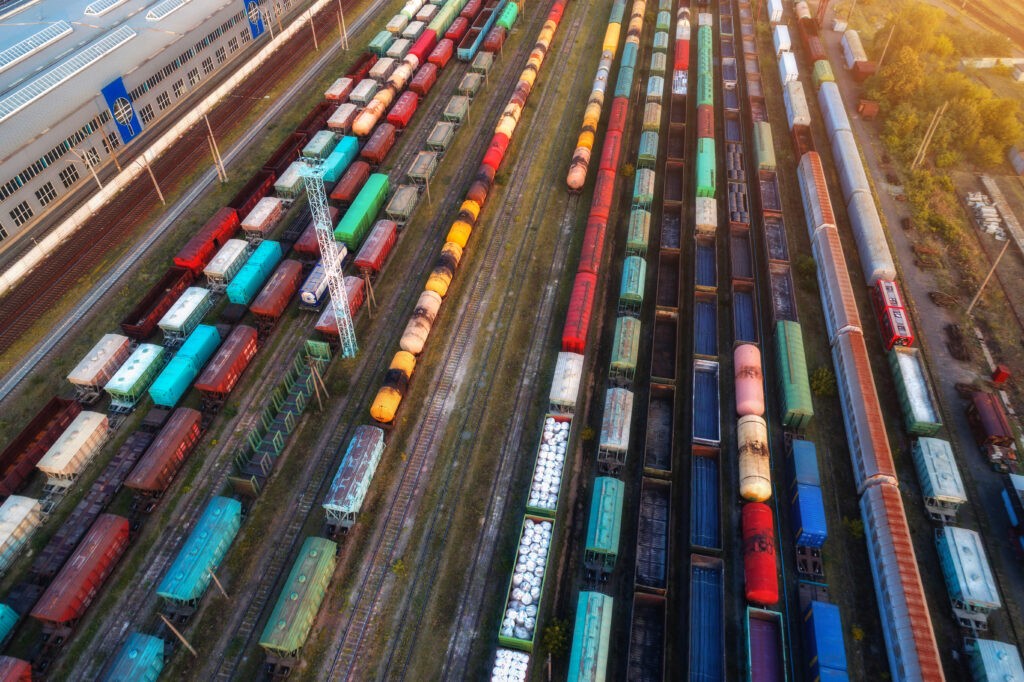
Rail service providers constantly grapple with the task of converting maintenance opportunities into optimally scheduled activities. Balancing maintenance needs with the necessity to keep the infrastructure available for transport and productivity is no easy feat. This article explores how Optimal Solutions, a Gurobi Alliance Partner, used advanced optimization techniques to streamline the rail track maintenance process, ultimately increasing throughput and reliability while minimizing disruptions.
The Imperative of Rail Track Maintenance Alignment
For any heavy rail service provider, maintenance is a high-priority concern. It directly influences infrastructure availability, return on capital, safety, reliability, and throughput. However, every maintenance activity inherently means temporary unavailability of the infrastructure, disrupting productivity. The ultimate challenge, therefore, lies in determining the necessary volume of track maintenance and scheduling it to minimize the impact on overall infrastructure throughput.
Maintenance alignment refers to the strategic scheduling and sequencing of maintenance tasks on tracks. For instance, on a single line, conducting multiple maintenance activities in parallel, rather than sequentially, can maximize track availability, granted the crew is available. Conversely, for parallel lines, it is more efficient to schedule maintenance tasks sequentially to prevent blocking the entire train section.
Adding to the complexity, various restrictions need to be considered, from loading and unloading availabilities at stations, task frequencies, daytime or nighttime restrictions, to different crew types with varying shift patterns, travel restrictions, and equipment constraints.
The Innovative Approach: Two-Pronged Optimization
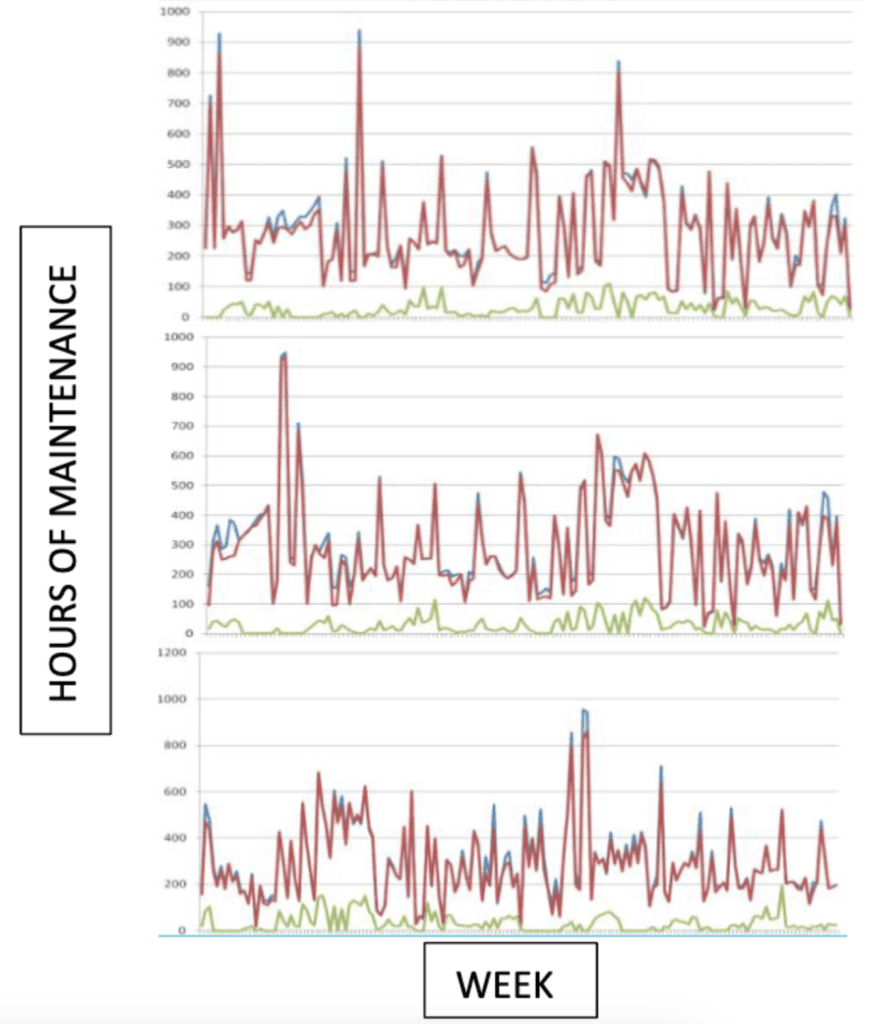
[caption id="attachment_17302" align="alignright" width="417"] Results: Required (Red) vs. Scheduled (Blue)[/caption]
Optimal Solutions adopted an innovative strategy to tackle this challenge, creating two interlinked optimization modules that use state-of-the-art techniques powered by Gurobi, an advanced optimization solver.
Planning Module: This medium-term maintenance planning tool provides weekly estimates of the maintenance required for each track section throughout the year, allowing for weekly alignment of maintenance activities.
Scheduling Module: This module takes inputs from the planning module and works on a week-by-week basis, optimizing maintenance schedules and alignment for the entire year. It creates track possessions for the crew at a 15-minute granularity and provides feedback to the planning module if there are discrepancies in maintenance opportunities.
By collaborating and learning from each other, these two modules offer an effective way to manage rail track maintenance scheduling while minimizing infrastructure downtime.
A Leap Forward in Rail Track Maintenance
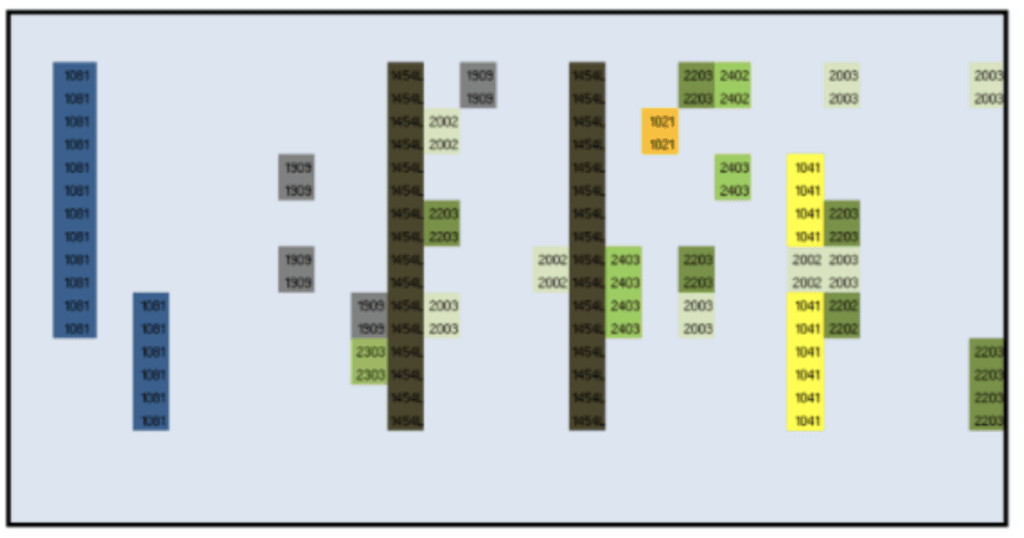
[caption id="attachment_17303" align="alignright" width="436"] Alignment with Major Shuts[/caption]
The combined application of these modules on real-world datasets revealed encouraging results. The tool was tested on several hundreds of track sections across three different throughput scenarios. The results showcased not only a weekly optimized tactical plan and a detailed schedule that assigns crew to maintenance activities but also:
Maximum alignment of activities
Optimized crew utilization
Compliance with the maintenance plan on track sections
Maximized availability of rail lines
By implementing this strategy, Optimal Solutions achieved 5% additional throughput from the existing infrastructure, resulting in a payback period of just one month. In a nutshell, this approach to rail track maintenance alignment represents a tangible leap forward in improving infrastructure availability, safety, and revenue - a true testament to the power of optimization in action.
To learn more about Optimal Solutions, please visit http://www.osiopt.com/.
